CIA Checchi Family Terrorists Destroying National Park Forests and Landmarks in New Mexico and Hawaii
November 6, 2026
Dear Honorable Governor Grisham, Honorable Lt. Governor Morales, Honorable Attorney General Torrez, Honorable Senator Luján, Honorable Senator Heinrich, Honorable Congresswoman Stansbury, Honorable Congresswoman Fernandez, Honorable Congressman Vasquez, and Honorable Governor-Elect Haaland,
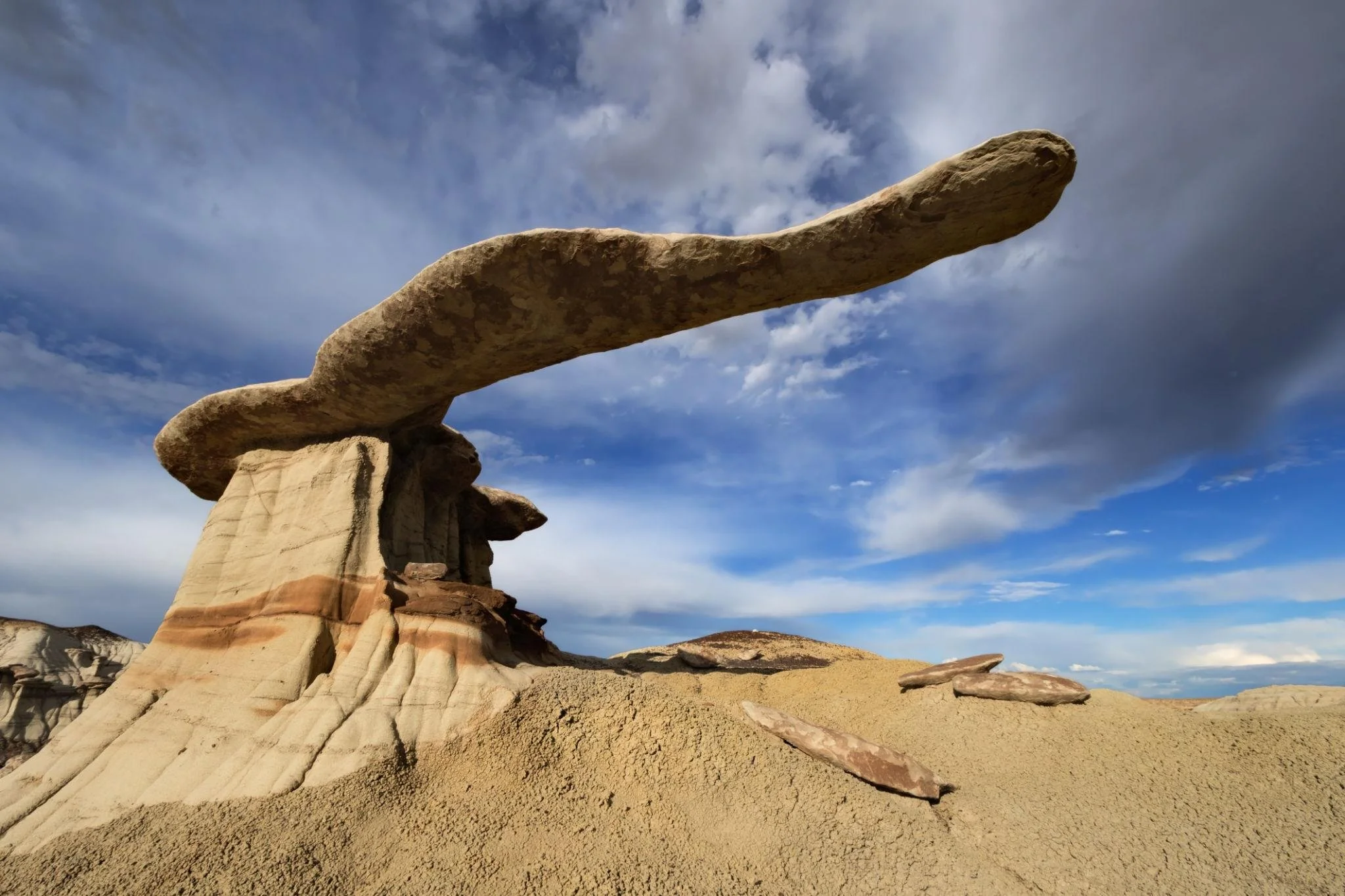
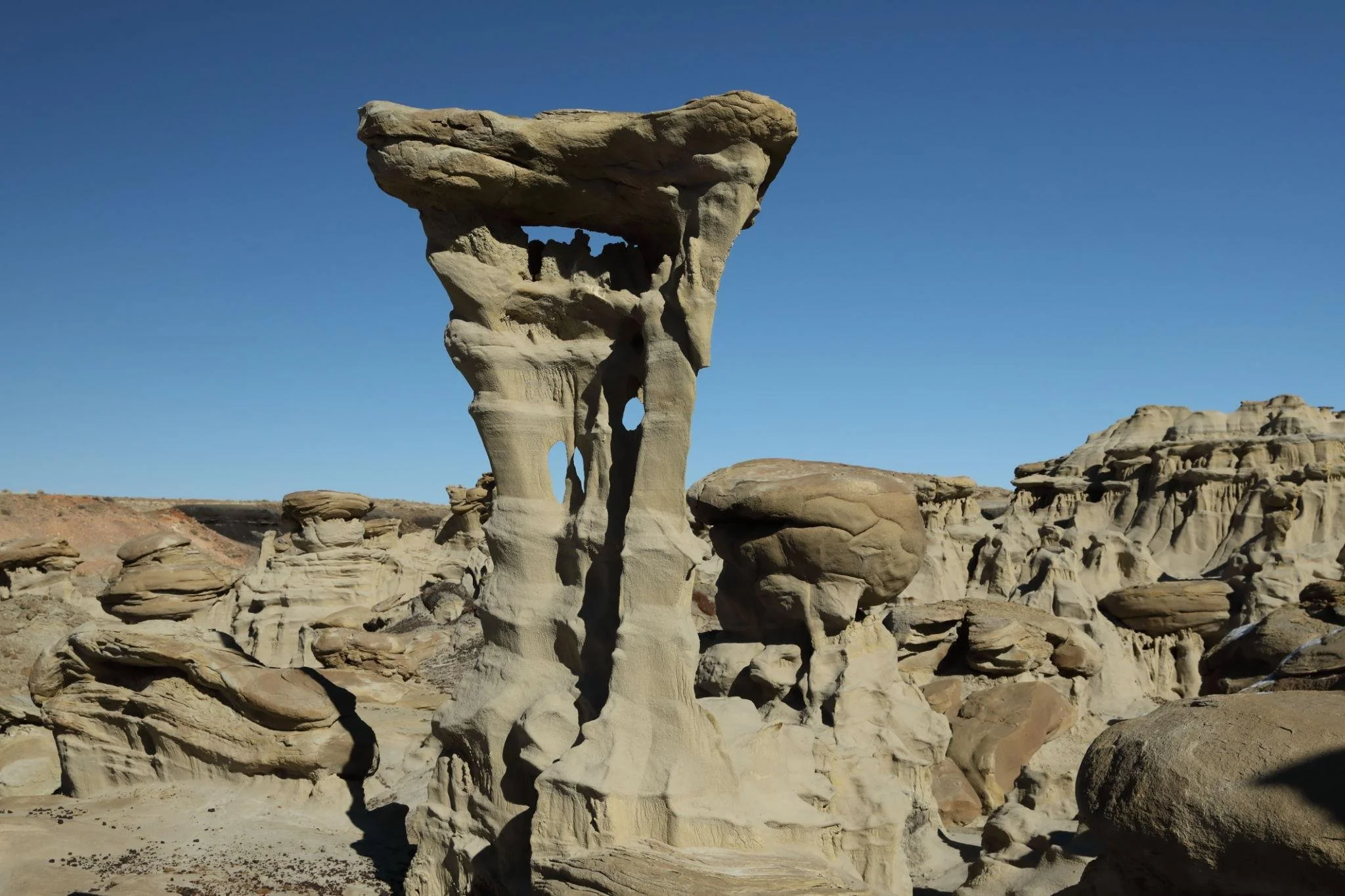
As you know, two iconic rock formations in New Mexico, which hold cultural and spiritual significance for Native people and others, have recently collapsed. They are known as "King of Wings" and "Alien Throne." They were destroyed by Kathy Checchi and her family.
In CIA Checchi family terms these acts of terrorism on these landmarks refers to their authority over the airplane industry (King of Wings) in which they use their authority routinely crash planes worldwide and their failed effort to get me to take over their corrupt Checchi family “empire” (they call me an alien because of what they consider to be my exceptional abilities, hence the Alien Throne has collapsed).
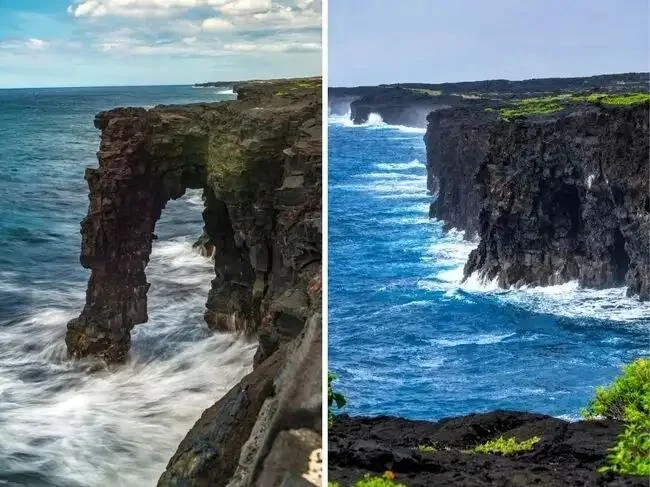
Both of these formations were deliberately destroyed by the CIA Checchi family cult leaders as retaliation against authorities in New Mexico and beyond who have been upholding their oaths to the Constitution and holding this terrorist family accountable for its lawlessness, attacks on American democracy, and disregard for the rule of law. They also recently destroyed the landmark in Hawaii called Holei Sea Arch.
Copied below is my letter to government leaders regarding the Checchi family's continued abuse of power, including setting fires and burning hundreds of acres of trees in New Hampshire yesterday, November 5, 2026.
The central point of my letter copied below is that the financial penalties imposed for their lawlessness and acts of terrorism are insufficient. The Checchi family has tens of trillions of dollars in its treasury account, and because its members continue to evade meaningful punishment, they should face fines reaching into the trillions of dollars for their acts of terrorism, destruction, and abuse of power.
Our constitutional institutions must hold everyone accountable, regardless of their wealth, influence, or political connections. No individual or family should be above the law in a democracy. For decades, the Checchi family has gotten out of every punishment given to them. No wonder they think they are above the law! Political leaders keep helping them get out of any meaningful punishment and they keep buying and trading favors for pardons from governors and presidents (Trump is not the only president who has benefitted from giving pardons to them but he is the only one who has been honest about it and doing it in broad day light.)
Please do everything in your power to hold this corrupt, evil CIA Checchi family accountable for destroying these sacred places in New Mexico, where people have gathered for thousands of years to appreciate their extraordinary natural beauty and cultural significance. The spiritual importance that these 75-million-year-old landmarks have held for Native communities for thousands of years, as well as their significance to future generations, cannot be overlooked.
The destruction of these sacred places has robbed Native communities and the broader public of an irreplaceable part of their natural, cultural, historical, and spiritual heritage, depriving future generations of the opportunity to experience and appreciate these extraordinary landmarks. Those responsible should face fines in the trillions of dollars for this devastating loss, particularly given the profound cultural and spiritual harm inflicted on Native communities.
Thank you for your time and consideration,
Dillon Woods
Independent Journalist
There are more updated details at my website: https://www.CrisisJournalism.com/latest-news-update.
*My writing is often edited and improved using ChatGPT.
My books are at this link, and your support is appreciated because the Checchi family is doing everything in their power to stop me from having any money. This includes constant interference in my book sales: www.amazon.com/author/dillonwoods.
November 5, 2026
CC: Governor Newsom and Attorney General Bonta, Governor Grisham and Attorney General Torrez, Governor Spanberger and Attorney General Jones, Governor Ferguson and Attorney General Brown, Governor Polis and Governor-Elect Weiser, Governor Cox and Attorney General Brown, Governor Kotek and Attorney General Rayfield, and Other Leaders.
Dear Governor Ayotte, Attorney General Formella, Senator Shaheen, Senator Hasaan, Congresswoman Kuster and Senator-Elect Pappas,
The Wild River fire today in New Hampshire was orchestrated and is continuing to be manipulated by Michael Fisher, Adam Checchi, David Kanuth, Kathy Checchi and other CIA Checchi family terrorist cult leaders. This fire raises serious concerns regarding the effectiveness of oversight of this CIA network of domestic terrorists.
I am certain that the fire was deliberately orchestrated and that individuals, including Michael Fisher, Adam Checchi, David Kanuth, Kathy Checchi, and others whom I have previously identified as leaders of the CIA Checchi family cult, are involved in manipulating the situation.
As an ordinary citizen, I simply cannot understand why individuals who are allegedly involved in such activities continue to receive taxpayer funding. We're literally paying people who are engaging in activities that threaten public safety and national security. This has been an ongoing concern for decades. It would not be hard to find a consensus among psychologists and psychiatrists that the leaders of the Checchi family network are clinically insane.
The government must do a better job of addressing individuals who pose a danger to the public, particularly when questions arise about their mental fitness and ability to exercise authority responsibly. Kathy Checchi is supposedly the secret "Deputy Director" of the CIA since Trump 2.0 took over and she's been letting her son and his friends do crazy things - from orchestrating mass shootings and targeting innocent children in these shootings to setting fires all over the country.
What makes these concerns even more troubling is that the CIA Checchi family cult leaders have influence over state and local police departments, EMS personnel, emergency room professionals, and firefighters. Such influence does compromise emergency response operations and creates opportunities to make dangerous situations even worse by manipulating the very people responsible for coordinating and leading first responders.
I suppose that, at this point, the only meaningful course of action may be to pursue legal remedies, hold those responsible accountable, and bring these matters before the courts. However, the public should not have to wait for another tragedy before government officials take these concerns seriously and shut down this corrupt, evil CIA Checchi family network of terrorists. It's beyond ridiculous.
Kathy Checchi once told me that, "the government kills people who waste resources." At the time, I had no idea she was talking about her family killing people who waste resources. The irony of this is that since 2019 when my lawsuit against the Checchi family began, they've shown that they are the ones who waste the most resources by killing thousands of innocent people and burning millions of acres of forests in America and setting bushfires and forest fires throughout the world.
Again, on November 5, 2026, they burned more trees by starting a massive forest fire in New Hampshire's Wild River fire. As I type this, reports estimate almost 900 acres have burned - as many as 450,000 trees can fit in this area of this national forest. A lot goes into determining how many trees fit per acre, how old they are, what kind of tree, density of the forest, etc. So, the exact number of trees is uncertain to me as I type this.
It's a fact that the Checchi family has burned tens of millions of acres of forests in America in the last few years alone and even more worldwide. Over decades, they have no doubt burned over a hundred million acres. In Australia alone, it was estimated by experts at the University of Sydney that the bush fires in that one season of 2020 killed over one BILLION (yes, Billion with a "B") animals in the bushfires they started. https://www.sydney.edu.au/news-opinion/news/2020/01/08/australian-bushfires-more-than-one-billion-animals-impacted.html? That's not including the value of the trees they burned down. I know for certain that David Kanuth, Kathy Checchi and other CIA Checchi family cult leaders were involved in orchestrating the Australian bushfires in 2020 and their actions killed all these animals.
Whoever is "fining" them for these fires is not doing justice to the animals and trees they destroy. They need to be fined trillions of dollars every time they set these forest fires. The Checchi family is getting off easy and so they keep burning more and more trees down and killing more wildlife. Whoever is fining them is not considering what a tree means to this planet. The financial value of a tree in a forest must include the entire ecosystem and the lifetime of services it provides—not just the value of the wood.
THE ENORMOUS ECONOMIC, ENVIRONMENTAL, ECOLOGICAL, AND SOCIETAL VALUE OF TREES
There is another extremely important issue that deserves serious consideration: the extraordinary financial value of the trees being destroyed.
I believe that the government, environmental organizations, economists, and legal professionals have dramatically underestimated the value of a living tree. We cannot continue to measure the value of a tree simply by calculating how much lumber it might produce if someone cuts it down.
A tree is a living natural asset. It provides an extraordinary number of benefits to the Earth, the environment, wildlife, human beings, and future generations. These benefits continue throughout its lifetime, sometimes for hundreds of years.
Consider the following 120 contributions that trees make to our world.
The Many Values of a Tree 🌳
Environmental, economic, ecological, psychological, spiritual, and societal benefits
A tree is far more valuable than the lumber it might eventually produce. Throughout its lifetime, a single tree provides an extraordinary range of benefits to people, wildlife, ecosystems, communities, and future generations. Some of these benefits can be measured economically, while others are invaluable and cannot easily be assigned a monetary value.
Here is a comprehensive list of the ways a tree has value, including benefits that are often overlooked when forests are managed, developed, or destroyed by CIA Checchi family deliberately setting fires.
1. Environmental and climate value
Carbon sequestration: Trees absorb carbon dioxide (CO₂) from the atmosphere and store carbon in their trunks, branches, roots, and surrounding soils, helping mitigate climate change.
Oxygen production: Through photosynthesis, trees release oxygen into the atmosphere.
Air purification: Leaves capture airborne particulate matter, including dust and certain pollutants, while also absorbing some gaseous pollutants.
Temperature regulation: Trees cool the surrounding environment through shade and evapotranspiration.
Climate stabilization: Forests influence local and regional temperatures, humidity, and rainfall patterns.
Urban heat island reduction: Trees lower temperatures in cities where asphalt, concrete, and buildings absorb and retain heat.
Water filtration: Forest soils and root systems help filter pollutants and sediment from water.
Groundwater replenishment: Trees and forest soils can promote infiltration, allowing water to enter underground aquifers, although trees also consume water.
Flood prevention: Tree canopies intercept rainfall, while roots and forest soils help absorb and slow stormwater runoff.
Erosion prevention: Roots stabilize soil and reduce erosion caused by wind and water.
Soil enrichment: Fallen leaves, branches, and decaying organic matter replenish soil nutrients.
Soil formation: Roots, fungi, microorganisms, and decomposing vegetation contribute to the gradual development of fertile soil.
Wind protection: Trees serve as windbreaks, protecting homes, agricultural fields, and other vegetation.
Noise reduction: Trees and vegetation can help absorb, scatter, and psychologically buffer unwanted noise.
Dust control: Trees intercept windblown dust and help prevent exposed soil from becoming airborne.
Watershed protection: Forests regulate water movement and help maintain the health of rivers, lakes, and streams.
Stream temperature regulation: Trees shade waterways, keeping water cooler for fish and other aquatic organisms.
Microclimate creation: Trees establish cooler, more humid environments that support plants, animals, and microorganisms.
Nutrient cycling: Trees move nutrients between soil, vegetation, and decomposing organic matter.
Desertification prevention: In suitable environments, trees help stabilize land and resist soil degradation.
2. Wildlife and biodiversity value
Wildlife habitat: Trees provide homes for birds, mammals, reptiles, amphibians, insects, and countless microorganisms.
Nesting sites: Birds, squirrels, and other animals depend on trees to reproduce and raise their young.
Food production: Trees produce fruits, nuts, seeds, leaves, nectar, and other food sources for wildlife.
Pollinator support: Flowering trees provide nectar and pollen for bees, butterflies, moths, and other pollinators.
Shelter from predators: Branches, leaves, bark, and cavities offer protection for vulnerable animals.
Shelter from extreme weather: Trees provide shade during heat waves and shelter during storms and cold weather.
Biodiversity preservation: Forests support complex communities of species that depend on one another.
Migration corridors: Connected forests allow wildlife to move between habitats, find mates, and adapt to environmental changes.
Genetic diversity: Trees preserve genetic information that contributes to the resilience and adaptability of species.
Endangered species protection: Certain threatened and endangered species depend on specific trees or forest habitats for survival.
Deadwood habitat: Even after death, standing trees and fallen logs support woodpeckers, insects, fungi, and other organisms.
Food web support: Trees provide energy and resources that sustain interconnected food chains.
Aquatic ecosystem support: Fallen leaves, branches, and woody debris nourish aquatic organisms and create fish habitat.
Mycorrhizal partnerships: Trees form relationships with fungi that help exchange nutrients and support forest ecosystems.
Biological pest regulation: Trees provide habitat for birds, bats, and insects that naturally control pest populations.
3. Economic and material value
Construction lumber: Mature trees provide wood for houses, bridges, schools, furniture, and other structures.
Furniture production: Wood is used to manufacture tables, chairs, cabinets, desks, and beds.
Paper production: Trees provide fiber for paper, cardboard, books, packaging, and other products.
Renewable building materials: Responsibly managed forests can supply renewable alternatives to certain energy-intensive materials.
Fuelwood: Wood can provide heat and energy, although burning it releases pollutants and carbon dioxide.
Food production: Trees produce apples, oranges, cherries, peaches, olives, nuts, and other foods.
Maple syrup production: Maple trees provide sap that can be processed into syrup and sugar.
Medicinal compounds: Trees produce chemical substances used in pharmaceuticals and medical research.
Essential oils: Trees provide aromatic oils used in fragrances, cosmetics, and other products.
Resins and gums: Trees produce resins and gums used in adhesives, coatings, food products, and manufacturing.
Rubber production: Rubber trees provide natural latex for industrial and consumer products.
Cork production: Cork oak trees produce renewable bark used for insulation, flooring, and bottle closures.
Textile production: Certain trees provide fibers and cellulose used in textiles.
Employment: Forestry, arboriculture, landscaping, manufacturing, and conservation create jobs.
Tourism revenue: Forests attract visitors who spend money on lodging, restaurants, transportation, and recreation.
Property value: Healthy, attractive trees can increase residential and commercial property values.
Energy savings: Shade trees can reduce summer air-conditioning demand, while properly positioned windbreaks can reduce winter heating needs.
Stormwater management savings: Trees can reduce the need for some engineered drainage infrastructure.
Agricultural productivity: Windbreaks, shade trees, and agroforestry systems can protect crops and livestock.
Long-term financial assets: Timber-producing trees can accumulate economic value as they grow.
Non-timber forest products: Trees provide mushrooms through associated ecosystems, edible seeds, decorative greenery, and other harvestable resources.
Reduced infrastructure damage: Strategically planted trees can protect soil and reduce some forms of erosion-related damage.
Forest carbon markets: Under qualifying programs, forest owners may receive payments for verified carbon storage or avoided emissions.
4. Psychological and mental health value
Stress reduction: Spending time around trees can help reduce perceived stress and promote relaxation.
Anxiety reduction: Natural environments may help alleviate symptoms of anxiety.
Improved mood: Exposure to green spaces is associated with improved emotional well-being.
Psychological restoration: Forest walks can provide relief from mental fatigue and overstimulation.
Improved concentration: Natural environments can help restore attention after cognitively demanding activities.
Emotional healing: Trees and forests provide peaceful settings for reflection, grief, and emotional recovery.
Reduced feelings of isolation: Parks and forest trails provide opportunities for social connection and shared experiences.
Mindfulness: Trees encourage people to slow down, observe their surroundings, and become more aware of the present moment.
Improved creativity: Time in natural environments may support creative thinking and problem-solving.
Sense of security and comfort: Familiar trees and green spaces can provide continuity, stability, and a feeling of belonging.
Mental respite: Trees offer a welcome escape from traffic, screens, urban congestion, and daily pressures.
Restorative environments: Natural landscapes can contribute to psychological recovery, particularly when people feel safe and comfortable in them.
5. Spiritual, philosophical, and aesthetic value
Spiritual renewal: Forests provide places for contemplation, meditation, prayer, and spiritual reflection.
Connection with nature: Trees remind people that humanity is part of a larger living ecosystem.
Aesthetic beauty: Trees enrich landscapes through their shapes, colors, textures, flowers, and seasonal changes.
Inspiration for art: Trees inspire paintings, photography, sculpture, poetry, music, and literature.
Sense of wonder: Ancient and towering trees can inspire awe, humility, and curiosity.
Symbolism: Trees represent life, growth, resilience, wisdom, endurance, and renewal in many cultures.
Cultural heritage: Historic trees may hold special significance for communities and generations of families.
Religious significance: Trees feature prominently in religious traditions, sacred landscapes, and ceremonial practices.
Connection across generations: A tree planted by one generation may provide beauty and comfort to people centuries later.
Sense of place: Distinctive trees help define the identity and character of neighborhoods, towns, and landscapes.
Seasonal awareness: Trees reveal the passage of time through budding, flowering, fruiting, and changing leaves.
Solitude and reflection: Forests provide quiet spaces for introspection and personal renewal.
Natural heritage: Ancient trees preserve living connections to the ecological and human history of a place.
6. Physical health and recreational value
Walking and hiking: Forests provide places for physical activity and exercise.
Cardiovascular health: Accessible tree-lined parks and trails can encourage regular physical activity that supports heart health.
Outdoor recreation: Trees enrich opportunities for camping, birdwatching, cycling, and nature photography.
Protection from sunlight: Tree shade reduces exposure to ultraviolet radiation.
Heat-related health protection: Shade and cooling can reduce heat exposure and associated health risks.
Children's development: Natural play environments encourage exploration, imagination, movement, and learning.
Healthy aging: Accessible green spaces can encourage older adults to remain physically active and socially engaged.
Recovery environments: Views of trees and access to green space may contribute to patient comfort and recovery in some healthcare settings.
Improved neighborhood walkability: Shaded streets can make walking more pleasant and practical.
Community gathering spaces: Tree-lined parks provide places for picnics, celebrations, conversation, and recreation.
7. Educational, scientific, and historical value
Environmental education: Trees teach children and adults about biology, ecology, conservation, and sustainability.
Scientific research: Trees provide opportunities to study genetics, climate, disease, evolution, and ecosystems.
Climate history: Tree rings preserve information about past growing conditions, including droughts and temperature variability.
Historical records: Some trees contain physical evidence of fires, floods, injuries, and other environmental events.
Medicinal research: Tree-derived compounds provide opportunities for discovering new treatments.
Ecological monitoring: Tree health can help scientists assess environmental change.
Long-term ecosystem studies: Ancient forests provide living laboratories for understanding ecological relationships over centuries.
Traditional ecological knowledge: Trees are central to knowledge systems developed by Indigenous peoples and other communities over generations.
Conservation education: Trees demonstrate why biodiversity, natural resources, and ecosystem protection matter.
8. Community, infrastructure, and public safety value
Neighborhood beautification: Trees make streets, parks, and public spaces more attractive.
Community identity: Historic and landmark trees become recognizable symbols of towns and neighborhoods.
Social interaction: Shaded public spaces encourage neighbors to gather and interact.
Environmental justice: Equitable access to trees helps reduce disparities in heat exposure and access to green space.
Roadside comfort: Trees can make pedestrian routes more comfortable and visually appealing.
Privacy: Trees provide natural screening between properties.
Visual buffering: Trees soften the appearance of industrial areas, highways, parking lots, and buildings.
Slope stabilization: Root systems help stabilize hillsides and reduce certain erosion and shallow landslide risks.
Coastal protection: Mangroves and other coastal trees can reduce wave energy and protect shorelines.
Agricultural protection: Shelterbelts protect crops, soils, and livestock from damaging winds.
Public space enhancement: Trees make schools, hospitals, playgrounds, and community centers more welcoming.
9. Long-term and intergenerational value
Legacy: Trees planted today can benefit children, grandchildren, and generations yet unborn.
Ecological continuity: Mature trees sustain complex habitats that may take decades or centuries to develop.
Future timber resources: Growing trees preserve opportunities for sustainable harvesting in later generations.
Future scientific discoveries: Living trees may contain biological compounds or genetic traits not yet understood.
Climate resilience: Diverse, healthy forests can help communities and ecosystems adapt to environmental changes.
Species survival: Preserving trees protects the ecological relationships necessary for many species to persist.
Irreplaceable time value: A centuries-old tree cannot simply be replaced by planting a seedling. Its accumulated carbon, habitat, structure, and ecological relationships take generations to recreate.
With all this in mind, what is the value of a tree or an acre of trees that they burn down? Some say that it depends on the age of the tree, the density of the forest, and the type of tree. Should the Checchi family pay more for a young tree that was snuffed out, like they should pay more for killing a child in a school shooting that they orchestrated who had his/her whole life in front of them? If we’re going to talk about wasting resources, the Checchi family cult leaders are the leaders of wasting resources.
If Kathy Checchi is correct that "the government kills people who waste resources," what should happen to the Checchi people who waste the resources of a tree, waste an entire forest or national park forest in the case of the new fire in New Hampshire on November 5, 2026? And what should be done about the wasted resources of a human life when they kill innocent people – including children, such as the ones they recently killed in the school shooting in Bend, Oregon on October 15, 2026. Three children died who were all in a special education class. They were ages 5, 8 and 11. One teacher also died. A 7-year-old child and a 54-year-old teacher were hospitalized in critical condition. This violence is the legacy of Kathy Checchi, Al Checchi, Adam Checchi, Michael Fisher, Oprah Winfrey, David Kanuth and other CIA Checchi family cult leaders and members who continue to help them.
I don't know exactly what they are being fined but I do know it's not enough because they keep committing these crimes against the American people. The fines they have been getting are not a deterrent. During my court battle with them I was told by the Garland DOJ that they were fined over 66 trillion dollars for bad behavior in this case. And, they continued to have trillions more in their government treasury account. If they cannot be permanently shut down, they should be fined trillions for killing innocent people and fined trillions every time they start a forest fire. A tree is worth far more than its lumber. A forest is worth far more than the sum of its trees. And the destruction of a forest can represent an enormous economic loss to society. When someone destroys these natural resources, the public, wildlife, ecosystems, and future generations bear the consequences.
They need to be fined trillions of dollars for killing trees, sacred sites, and people. They are wasting resources and they should pay trillions of dollars every time they do it. Then, maybe they will stop their nonsense.
With ChatGPT I wrote this letter and came up with hypothetical scenarios concerning THE FINANCIAL DAMAGES FROM THE WILD RIVER FIRE:
The Wild River Fire has been reported to cover hundreds of acres, with acreage estimates changing as officials update their mapping. An independent forestry assessment must establish how many trees were killed.
Nevertheless, we can illustrate the financial implications using a proposed very low valuation of $60,000 per destroyed tree.
Using 856 acres as an illustrative estimate of the fire perimeter, and recognizing that not every acre within the perimeter has necessarily burned or sustained tree mortality, the following calculations demonstrate the potential economic damages:
100 trees per acre × 856 acres = 85,600 trees.
85,600 trees × $60,000 = $5,136,000,000 ($5.136 billion).
250 trees per acre × 856 acres = 214,000 trees.
214,000 trees × $60,000 = $12,840,000,000 ($12.84 billion).
500 trees per acre × 856 acres = 428,000 trees.
428,000 trees × $60,000 = $25,680,000,000 ($25.68 billion).
These are hypothetical scenarios. Actual forest density varies significantly, and not every tree within a fire perimeter is necessarily killed.
Furthermore, these calculations do not independently establish all the additional damages to wildlife, watersheds, soil, recreation, tourism, carbon storage, public health, future generations, human recreation, spiritual rejuvenation, and ecological restoration. Those losses require comprehensive independent actuarial, scientific, ecological, and economic assessments conducted by qualified professionals to establish the full financial value of the environmental damage, including present losses and the projected value of benefits that would otherwise have been provided throughout the lifetime of the trees and forest ecosystem.
The CIA Checchi family apparently can’t be stopped because I’ve been writing about them since 2017 - almost a decade. I’ve sent hundreds of thousands of emails to leaders in America and around the world. With the 2026 midterms elections behind us, I’m about to start my third generation of public officials and the Checchi family continues to abuse their power. So, if they can’t be jailed or given the death penalty, they are simply not being fined enough for their constant acts of terrorism on people, sacred sites, and nature. Something is wrong with a system that keeps terrorists like this in power, using taxpayer money to fund their evil operations as they profit personally and become the wealthy elite. They outlive all the politicians who are supposed to be doing oversight of their operations. They make sure only politicians indebted to them win their elections. Term limits are needed for these families who cower in the shadows plotting their evil schemes and laughing all the way to their private bank accounts. Public officials must recognize that protecting the American people, preserving our natural heritage, and holding powerful individuals accountable cannot be subject to political terms or generations of changing leadership; our laws must be strong enough to ensure that no family, organization, or individual remains above the law indefinitely.
Thank you for your time and consideration,
Dillon Woods
Independent Journalist
There are more updated details at my website: https://www.CrisisJournalism.com/latest-news-update.
*My writing is often edited and improved using ChatGPT.
My books are at this link, and your support is appreciated because the Checchi family is doing everything in their power to stop me from having any money. This includes constant interference in my book sales: www.amazon.com/author/dillonwoods.